


↓
Online scams targeting seniors have reached epidemic proportions. The damage extends far beyond financial loss — victims suffer depression, social withdrawal, and a devastating erosion of the trust that makes modern life possible. Some have even resorted to suicide due to shame and crippling financial loss.
Lost by Americans 60+ in 2025 — an increase of 37% over 2024†
Average financial loss for seniors 60+ due to online fraud†
Report lasting psychological harm — anxiety, isolation, and distrust of technology‡
Of Americans 50+ have lost money due to online fraud§
The number of fraud victims who reported the crime to law enforcement§
Estimated unreported financial losses to seniors due to online fraud¶
Scam criminals don't hack systems. They hack people — exploiting trust, urgency, and fear through phishing, voice cloning, AI-generated deepfakes, and sophisticated social engineering to steal life savings.
Across every sector, millions have been poured into scam awareness campaigns. Yet one fundamental question has never been answered:
Do these programs actually improve a person's ability to recognize and resist a scam?
Without a validated way to measure what works, the nation is investing millions in programs it can't prove are effective — while criminal losses climb into the billions.
TSS Foundation has entered the fight with technology and training designed to protect those most at risk.
TSS Foundation, Inc. is a 501(c)(3) nonprofit organization with a singular mission: to help seniors cross the digital divide with the knowledge, skills, and confidence to protect themselves from AI-powered scams and online threats.
We believe that access to the internet should empower older adults, not endanger them. Through education, simulation technology, and community-based training, we are building the research foundation for a national standard in senior digital safety.
This 12-month validation study will generate the peer-reviewed evidence needed to bring our SATA program to scale — protecting millions.
Proprietary simulation technology that replicates real scam scenarios in a safe, controlled environment — building muscle memory for recognition and response.
Structured seminars led by trained facilitators in community centers, senior living facilities, churches, and libraries across participating regions.
Pre/post performance scoring, longitudinal retention tracking, and qualitative survey methodology — designed to meet academic publication standards.
This study creates the replication blueprint. If validated, the program can be deployed in any community with minimal infrastructure, at low per-participant cost.
Scammers exploit every channel of communication available. Our program is the first to train seniors across all five primary attack surfaces — using real simulation, not just passive instruction.
IRS impersonation, Medicare fraud, grandparent scams, lottery calls
Fake bank alerts, account suspension threats, inheritance offers
Package delivery fraud, USPS/UPS spoofs, verification code theft
Romance scams, fake investment groups, cloned profile fraud
Utility worker impersonation, home repair fraud, contractor scams
Live simulation technology + classroom integration
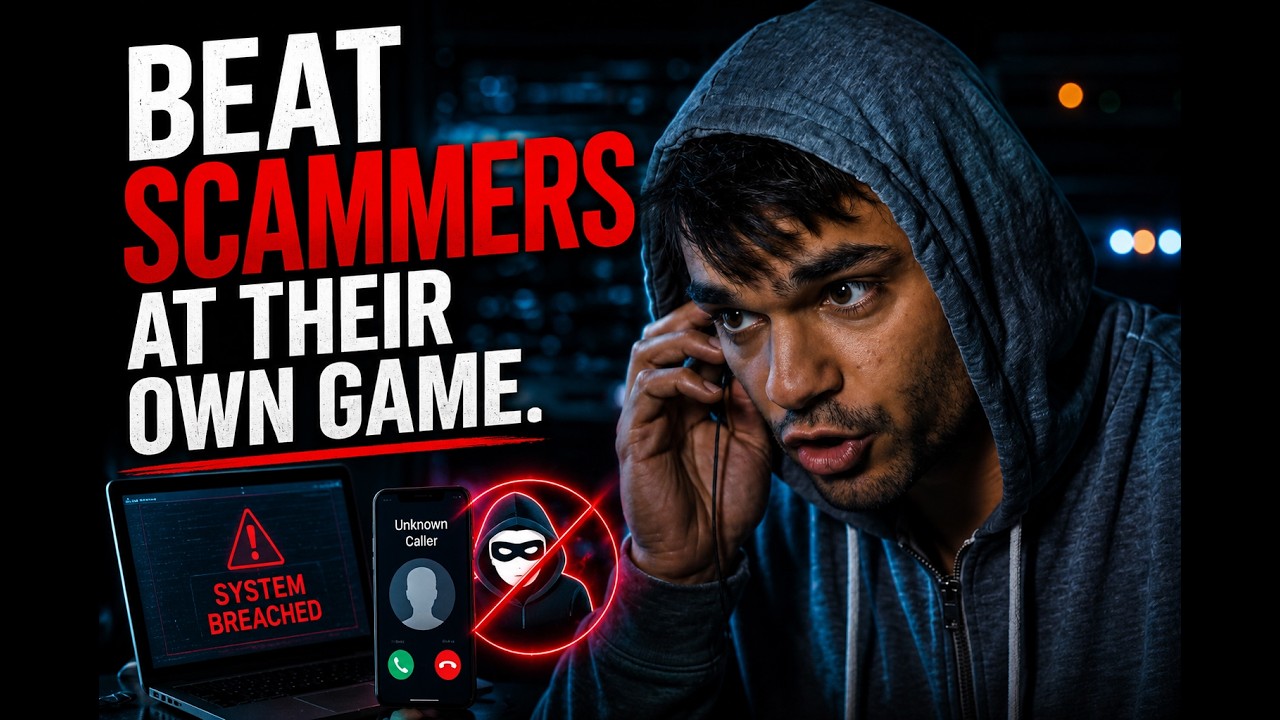

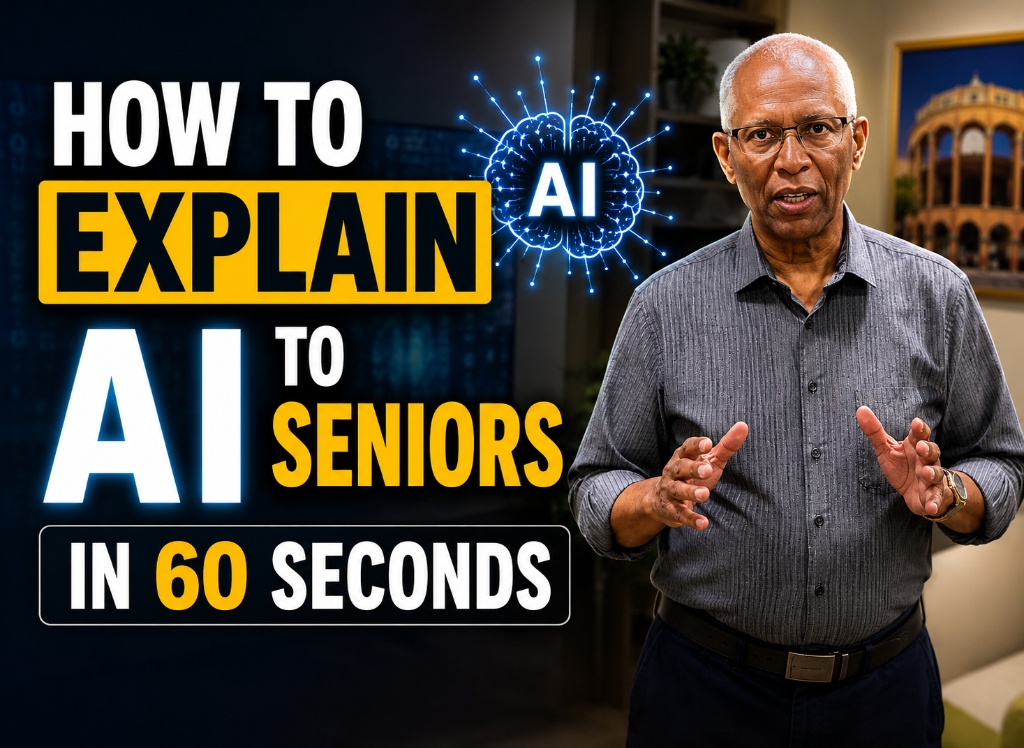
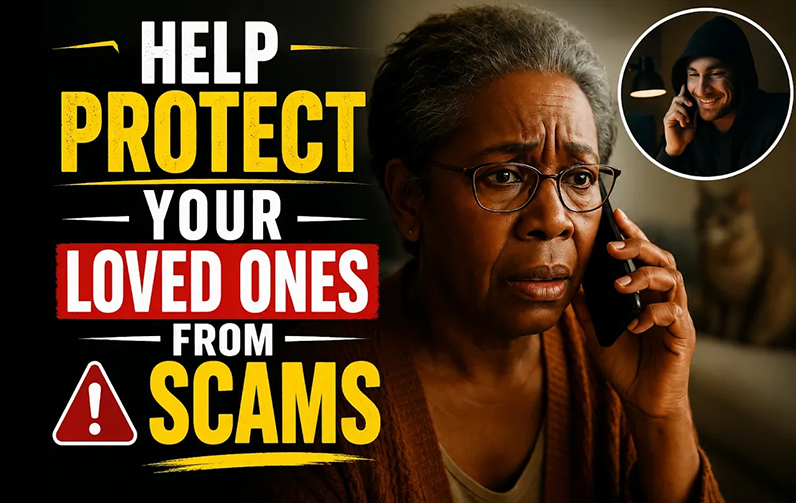
Our multidisciplinary team brings together expertise in gerontology, cybersecurity, behavioral science, and community health.
Charles Mambula
Associate Professor, Director, Center for Entrepreneurship & Research, Langston University
Marcia McGee
MPA, EdD, Director of Education, TSS Foundation, Inc.
To be Announced
To be Announced
This validation study will establish the first peer-reviewed evidence base for simulation-based scam awareness training for older adults — creating a replicable national model for communities of any size.
IRB approval, participant recruitment across 4–6 community sites, baseline assessment and pre-test scoring. Randomized control group assignment.
Cohort A receives full SATA application-based simulation training with guided facilitator sessions. All five scam vector modules administered.
Cohort B receives structured classroom-based instruction. Cohort A completes classroom reinforcement. Cross-group comparison assessment.
90-day post-training retention testing. Real-world scam encounter surveys. Behavioral confidence scale re-assessment for both cohorts.
Statistical analysis, manuscript preparation, peer-review submission, and final deliverables — including the national replication guide.
Contact us to request the complete research prospectus including IRB protocol, measurement instruments, and statistical analysis plan.
Your voluntary charitable contribution directly supports the mission and programs of TSS Foundation, Inc. — funding peer-reviewed research to validate simulation-based scam awareness training for older Americans.
Donations are voluntary and do not create any entitlement to goods, services, sponsorship benefits, advertising, promotion, referrals, special access, or other consideration in return. No goods or services are provided in exchange for charitable contributions.
Your contribution at this level helps fund training materials for one classroom session, supporting up to 20 senior participants in the validation study.
Your contribution at this level helps sustain one full seminar site for a month, including facilitator support and SATA program access for participants.
Your contribution at this level helps fund one complete study cohort — supporting 3 months of training for a full participant group in the validation research.
Your contribution at this level provides substantial support for the study's design, implementation, and long-term publication of findings for public benefit.
TSS Foundation, Inc. is a registered 501(c)(3) nonprofit organization. Charitable contributions are tax-deductible to the full extent permitted by applicable law. EIN available upon request.
Tax Acknowledgment: No goods or services were provided in exchange for this contribution, unless specifically stated in a written acknowledgment. A written acknowledgment will be provided for all contributions of $250 or more, as required by the IRS.
Recurring Contributions: If you choose to make a recurring charitable contribution, you may cancel at any time by contacting us at support@tssfoundationinc.org.
For wire transfers, institutional giving, grants, or questions about your contribution — contact us directly.
Whether you're a funder, researcher, community organization, or senior services provider — we want to hear from you. This research succeeds when the right people come together.
support@tssfoundationinc.org
support@tssfoundationinc.org
Available upon request to qualified funders and institutional partners